
USPS Stamp Price Increase Signals Continued Cost Pressure Across Shipping Networks
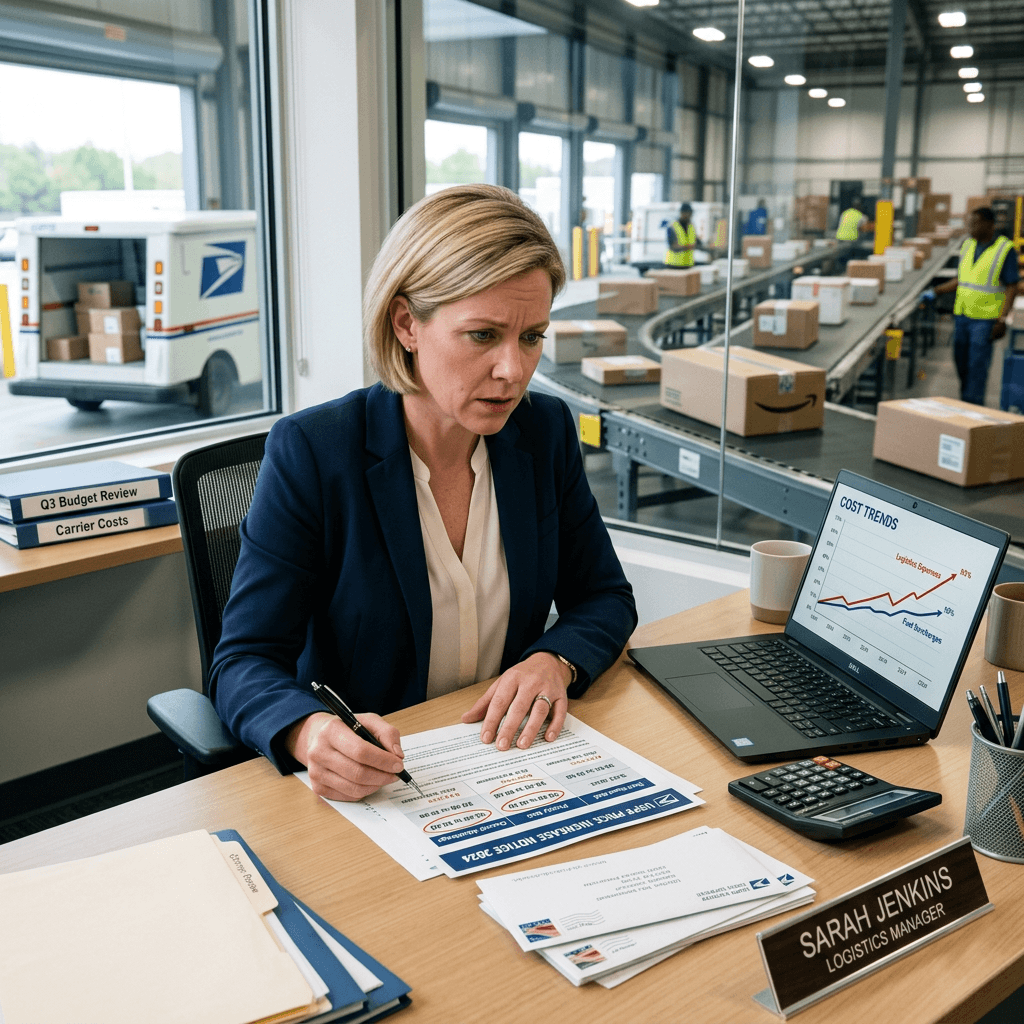
The USPS stamp price increase reflects ongoing financial pressure inside the United States Postal Service. The agency continues to adjust pricing as it works to stabilize its long-term cost structure.
According to the report, USPS plans to raise the price of first-class stamps again, and if approved, the price would rise from 78 cents to 82 cents, effective July 12, 2026. This follows a pattern of frequent rate adjustments over the past few years. The agency has faced declining mail volume and rising operational costs. These pressures are forcing more aggressive pricing actions.
The increase is part of a broader pricing strategy tied to USPS’s long-term transformation plan. The goal is to improve financial sustainability while maintaining nationwide service. However, these changes are happening more frequently than in the past.
This is not an isolated event. USPS has already introduced multiple pricing updates across both mail and package services. The stamp price increase signals that pricing volatility is now a consistent factor in the postal network.
For shippers, this matters. USPS pricing changes often extend beyond stamps. They influence broader mailing and parcel cost structures, especially for lightweight and last-mile delivery solutions.
Source: CNBC
How This Impacts Parcel Shippers
The USPS stamp price increase creates ripple effects across shipping strategies. Even though stamps apply to mail, the underlying cost pressures impact the entire USPS network.
- Expect continued upward pressure on lightweight shipping costs. USPS remains a key option for low-weight residential deliveries. As pricing increases, the cost advantage narrows versus other carriers.
- Pricing changes are becoming more frequent. Shippers can no longer rely on annual adjustments. Cost planning now requires more active monitoring and faster response cycles.
- Service trade-offs may emerge. USPS is balancing cost recovery with service expectations. In some markets, this can create variability in transit times or delivery consistency.
- Reliance on USPS for last-mile delivery carries more risk. Many hybrid shipping models depend on USPS for final delivery. Any pricing or service shift directly impacts total landed cost.
- This reinforces a broader trend. Carriers are prioritizing margin over volume. USPS is following the same path as other major networks. That means fewer predictable costs and less pricing stability.
Contact ebb Logistics today for a no-cost evaluation of your current shipping strategy.