
GOFO Amazon ShipTrack Integration
| Trouble viewing this email? Read the web version → |
ebb Logistics // Parcel Strategy Brief
GOFO’s Amazon ShipTrack Integration: What Parcel Shippers Should KnowTracking accuracy stopped being a back-office detail. Today, it drives compliance, buyer trust, and account health. |
|||||||||||||||
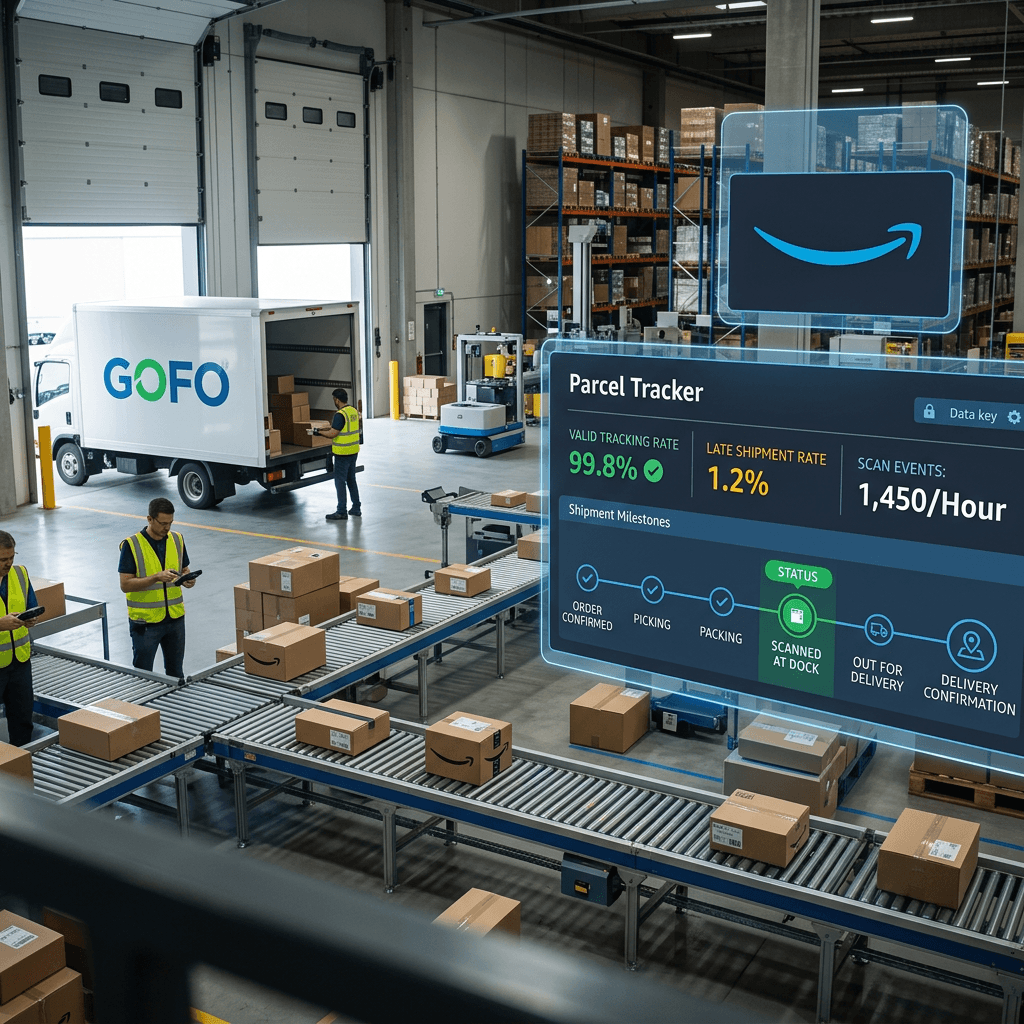
Amazon sellers are facing tighter visibility expectations, and a new carrier integration shows exactly where the market is heading. Specifically, GOFO has rolled out a system-level connection to Amazon ShipTrack. Yet the message for parcel shippers is bigger than any single carrier. After all, delivery execution still matters. However, proving that delivery happened, through clean, real-time data, now matters just as much. |
|||||||||||||||
What GOFO Actually AnnouncedIn short, GOFO can now feed tracking data straight into Amazon’s systems. Instead of relying on manual uploads and delayed updates, Amazon pulls milestones directly from GOFO. As a result, those milestones land cleanly inside Seller Central. How the Integration Works |
|||||||||||||||
|
|||||||||||||||
Notably, GOFO positioned the update around Amazon seller compliance. Consequently, it points to tighter Valid Tracking Rate control, better Late Shipment Rate visibility, and a stronger buyer tracking experience. |
|||||||||||||||
The Operational Gap It ClosesWhen the Package Moves but the Data Doesn’tTo begin with, many sellers use third-party carriers for fulfilled-by-merchant orders. The package can be moving perfectly. However, if tracking arrives late, missing, or unrecognized, Amazon doesn’t see it that way. Therefore, that mismatch is exactly where compliance pressure begins. |
|||||||||||||||
|
|||||||||||||||
Why This Matters Beyond GOFOImportantly, this is not only a GOFO story. Increasingly, carriers are judged on digital performance. In other words, scan quality, data transmission, and milestone accuracy now shape a carrier’s real value. For that reason, every carrier should be evaluated through two lenses, not one. The Two-Lens Carrier Test |
|||||||||||||||
|
|||||||||||||||
For Amazon sellers specifically, this integration may reduce compliance risk when using GOFO. Moreover, cleaner data can protect Valid Tracking Rate performance and cut down on false service exceptions caused by delayed milestones. |
|||||||||||||||
The Hidden Cost of a Cheap RateWhere Savings Quietly Leak OutGranted, a low-cost delivery option looks great on a rate sheet. Yet when tracking fails, the savings can quietly leak back out, specifically, in five different places: |
|||||||||||||||
|
|||||||||||||||
Compare Total Landed Cost, Not Just the RateBecause of that exposure, shippers should compare total landed cost, not transportation rates alone. In practice, the rate is only the visible slice. The true cost of a carrier also includes reliability, tracking accuracy, claims impact, and internal support time: |
|||||||||||||||
|
|||||||||||||||
Turning Data Into LeverageBeyond cost, there’s a leverage payoff. Shippers armed with strong performance data negotiate harder, that is, they can challenge service gaps, demand improvements, and build a smarter carrier mix. Meanwhile, GOFO’s integration may strengthen its marketplace case, but it should still be benchmarked against UPS, FedEx, USPS, Amazon Shipping, and regional carriers. Ultimately, the best strategy is rarely the cheapest carrier, rather, it’s the mix that protects cost, service, compliance, and customer trust. |
|||||||||||||||
|
|||||||||||||||
How ebb Helpsebb Logistics helps parcel shippers evaluate carrier performance beyond base rates. In particular, we analyze total parcel cost, surcharge exposure, service performance, and compliance risk, including whether a cheaper carrier is quietly creating hidden operational cost. For Amazon sellers, moreover, marketplace compliance adds another layer: tracking quality, delivery scans, claims, and buyer visibility. Accordingly, we benchmark contracts, audit parcel data, and build carrier strategies aligned to real operating needs, reducing cost without weakening service, visibility, or leverage.
| |||||||||||||||