
Amazon GWD Shenzhen Launch Cuts Costs and Speeds U.S. Replenishment
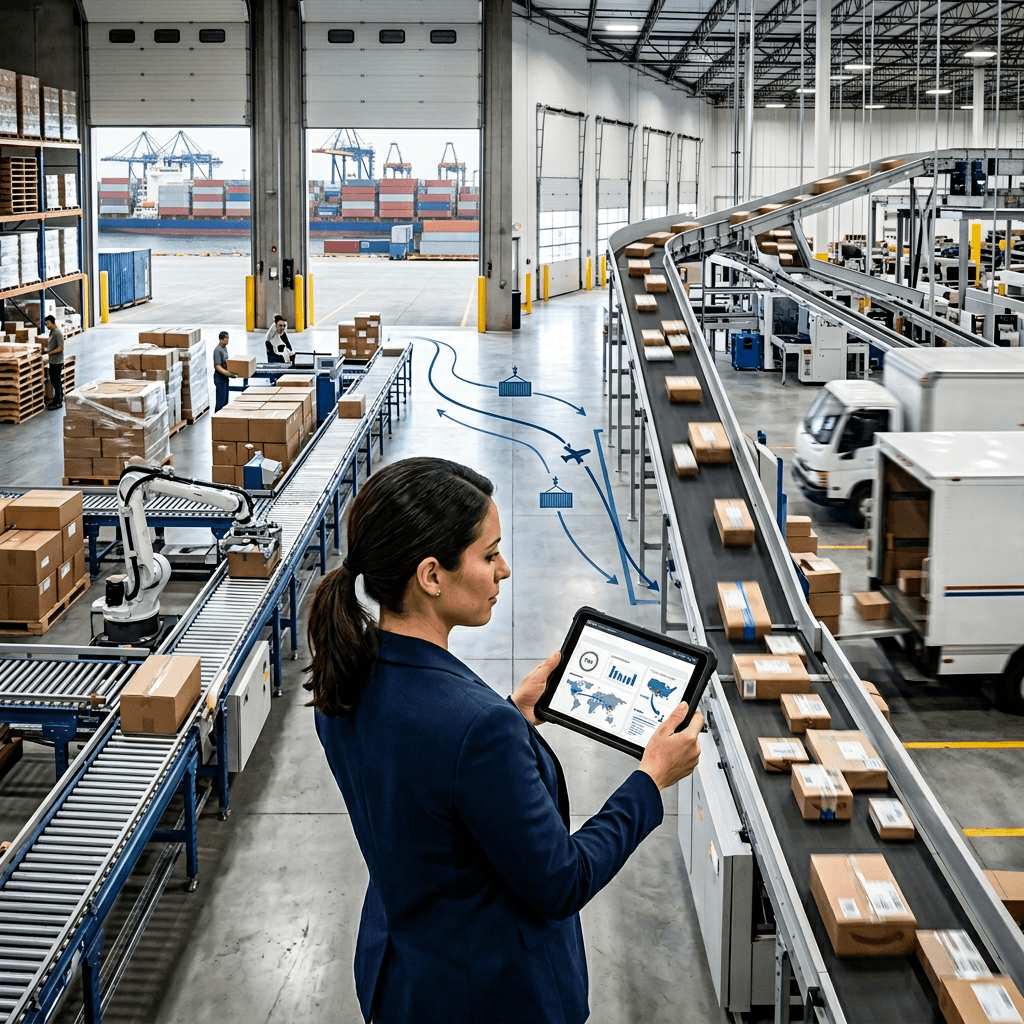
Amazon GWD Shenzhen is shifting inventory upstream.
Starting April 9, 2026, sellers can store bulk inventory in Shenzhen and replenish U.S. fulfillment centers on demand.
What changed
Amazon added an origin warehouse tied directly to its U.S. network. Inventory sits closer to production. Replenishment becomes continuous.
Instead of shipping full loads into the U.S. and storing them domestically, inventory now sits at origin in Shenzhen. That inventory is already connected to Amazon’s U.S. fulfillment network.
Replenishment is no longer a batch event. It becomes a controlled, ongoing flow.
What that looks like in practice
- Inventory is staged in bulk near manufacturing, not pre-positioned across U.S. nodes
- Amazon triggers replenishment based on demand signals, not static forecasts
- Cross border moves happen in smaller, more frequent shipments
- Lead times compress because inventory is already positioned for export
- Sellers can automate replenishment or control it manually
Why this matters structurally
You are shifting from a push model to a pull model
Old model
- Forecast demand months ahead
- Ship large volumes into the U.S.
- Hold inventory and absorb carrying cost
New model
- Hold inventory at origin
- Replenish based on real demand
- Reduce domestic storage and excess stock
This changes cost and control
- Storage cost drops at origin
- Working capital stays tied up longer overseas
- Inventory risk shifts from overstock to stockout if flow breaks
- Amazon gains more control over timing and movement
This is not just a new warehouse. It is a different operating model for how inventory feeds the U.S. parcel network.
Key benefits
- Up to 45 percent lower storage cost vs U.S. AWD
- Up to 7 days faster replenishment with Amazon Global Logistics
- Automated or manual inventory control
- One flow for shipping, customs, and delivery
What this means for parcel shippers
- Less urgent inbound freight, more predictable parcel volume
- Tighter delivery expectations tied to Amazon timelines
- Greater reliance on one logistics ecosystem
Where risk shows up
- Reduced carrier diversification
- Limited cost transparency
- Less contract leverage
What you should do
- Model total landed cost
- Compare against multi-node distribution
- Protect carrier mix and pricing leverage
- Audit costs continuously
How ebb Logistics helps
We model full network cost, not just storage.
We help you protect margin, maintain carrier leverage, and control parcel spend as Amazon expands upstream.